Why Joint Pain & Poor Mobility Are Sabotaging Your Fitness Goals
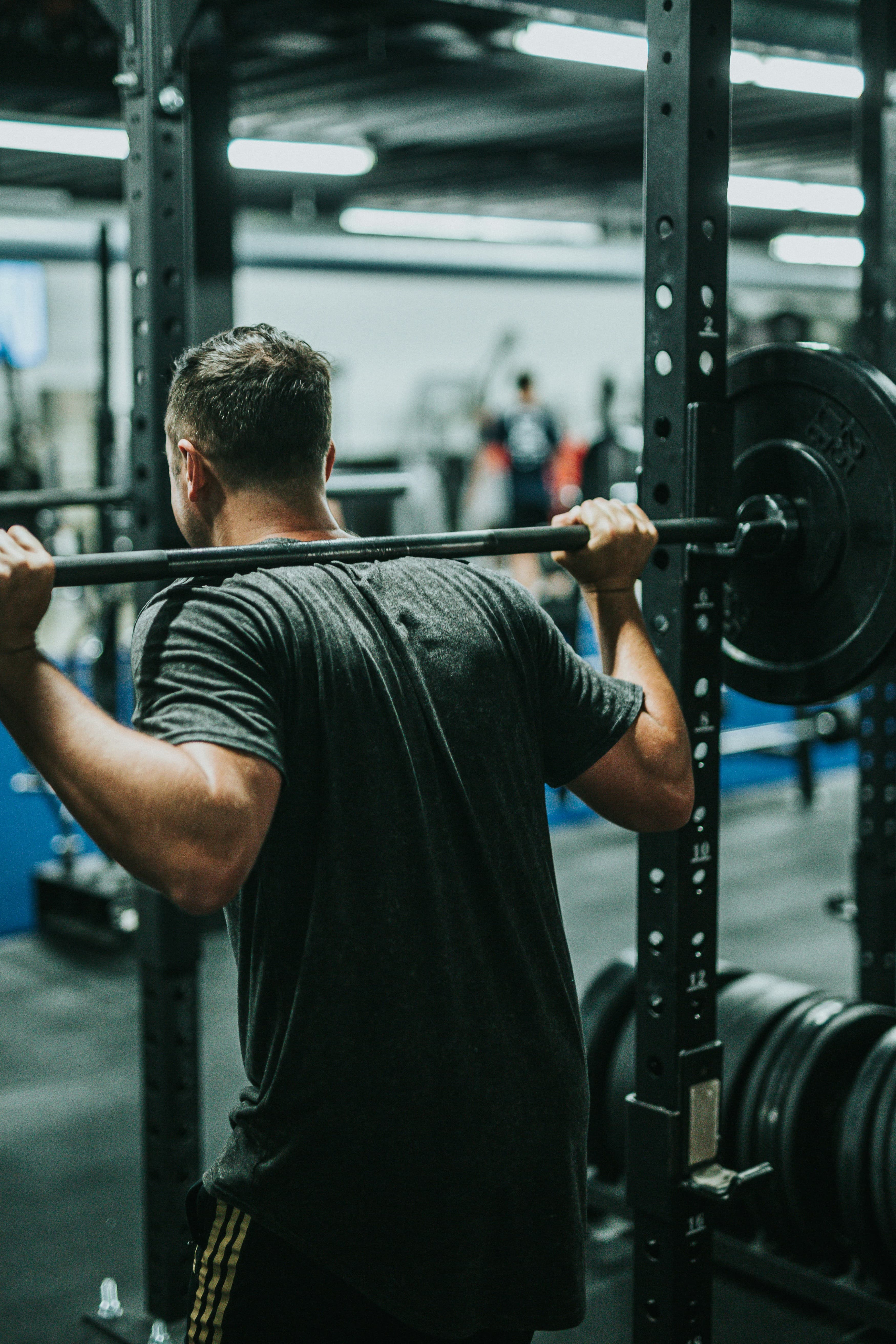
Usually when you hit a fitness plateau, standard advice usually points to your diet or your work ethic. Eat less. Lift heavier. Do more cardio. But, what if your nutrition is dialed in and your effort is at 100%, yet your body still won't change?
From my experience I’ve and what I’ve observed, I often find that the real culprit isn't a lack of discipline. It’s a lack of function. Pain, poor mobility, and joint dysfunction are the silent saboteurs of body transformation. So if you feel like fitness programs are designed for people who don't have bad knees, stiff shoulders, or an achy lower back, you aren't alone.
So here’s how hidden injuries are secretly limiting your results, and why fixing your body’s mechanics is the ultimate hack for fat loss and muscle growth.
The Intensity Thief: How Hidden Injuries Hold You Back
To force your body to change; Whether that means burning stubborn body fat or packing on new muscle; you need a high level of training intensity.
But your brain is wired for survival, not aesthetics. When you have a hidden injury, joint dysfunction, or even low-grade, nagging pain, your nervous system acts as a silent protector of your system. It literally downregulates the neural drive to your muscles.
If your shoulder aches during a bench press, your brain won't let you recruit maximum muscle fibers, no matter how hard you mentally try to push. The pain artificially caps your intensity, meaning you simply cannot stimulate the muscle enough to force it to grow or burn significant calories.
The Compensation Trap: From Bad Mechanics to Bitter Plateaus
So when a joint doesn't move well, your body doesn't just stop moving; it cheats. It finds another way to get the job done through compensation patterns.
If your ankles are tight, your lower back will take over during a squat. If your right hip is achy, you will subconsciously shift your weight to your left leg during lunges.
These compensations create a compounding domino effect:
- Missed Target Muscles: The muscle you are trying to train (like your glutes) gets a free ride, while the wrong muscles (like your lower back) do all the work.
- Structural Imbalances: One side of your body becomes overworked, leading to an inevitable injury.
- The Hard Plateau: Because the target muscles aren't receiving the proper stimulus, your body composition simply stops changing.
Why Fixing Pain Unlocks Hypertrophy and Fat Loss
There is a massive misconception that rehab and body-transformation are two separate phases. In STS, we know they are intimately connected.
Fixing your mobility and addressing pain directly improves your ability to build muscle and lose fat:
- Bigger Range of Motion (ROM) = Bigger Muscles: Hypertrophy thrives on muscles being challenged through a full, deep stretch. If tight hips prevent you from squatting deep, you are leaving massive leg gains on the table. You don’t know what you’re missing out on.
- Higher Output = More Fat Loss: When you move without pain, you can safely lift heavier weights, move faster, and sustain effort longer. This drastically increases your overall caloric expenditure and metabolic rate.
Real-World Proof: The Cost of Pushing Through Pain
Let's look at how common dysfunctions halt progress, and how addressing them changes the game:
- The Knee Pain Dilemma: My client Sruthi wanted to build her legs, but patellar tendonitis made squats and lunges agonizing. She compensated by only doing light leg extensions, resulting in zero growth. By addressing her ankle mobility and rebuilding her quad tendon load tolerance, she returned to deep, pain-free squats. Her quads finally grew.
- The Plantar Fasciitis Trap: Avantika’s primary goal was fat loss, but agonizing foot pain meant she couldn't run, jump, or do heavy loaded carries. Her caloric burn plummeted. Once we rehabbed her foot and corrected her gait, she could engage in high-output conditioning again, finally breaking her weight-loss stall.
- The Achy Lower Back: Mathew's lower back constantly felt sensitive, forcing him to skip deadlifts and heavy rows. His posterior chain (hamstrings, glutes, back) was weak and underdeveloped. By improving his core bracing and hip mobility, he took the pressure off his spine. He is now deadlifting heavier than ever and has added inches of thick muscle to his back.
The STS Solution: A Rehab-First Approach to Transformation
Most fitness programs tell you to "just push through it" or, conversely, "just rest it for six weeks." Neither works. Pushing through leads to injury; complete rest leads to muscle atrophy.
So through Strider Training Systems, we bridge the gap between physical therapy and high-performance training with a rehab-first approach:
- Assess, Don't Guess: We identify the root cause of your mobility restrictions before loading them with heavy weights.
- Active Recovery: We don't bench you. We use specific, pain-free exercises that allow you to continue training and sweating while simultaneously rehabbing the dysfunction.
- Smart Loading: We program movements that fit your current anatomy, gradually expanding your capabilities safely over time.
Stop Letting Pain Dictate Your Potential
You don't have to choose between living pain-free and achieving the body you want. Pain is simply a signal that your mechanics need an upgrade.
If you are tired of feeling excluded from intense fitness, or frustrated by plateaus caused by a body that just won't cooperate, it's time to change your strategy.
So it’s be best to rebuild your foundation, eliminate the pain, and watch your body finally respond. Discover the STS approach today.